10 Ways Ikigai Can Help You Live a More Sustainable Life
Discover how the Japanese philosophy of Ikigai can guide you toward a more sustainable and fulfilling life. Find purpose and reduce your environmental impact.
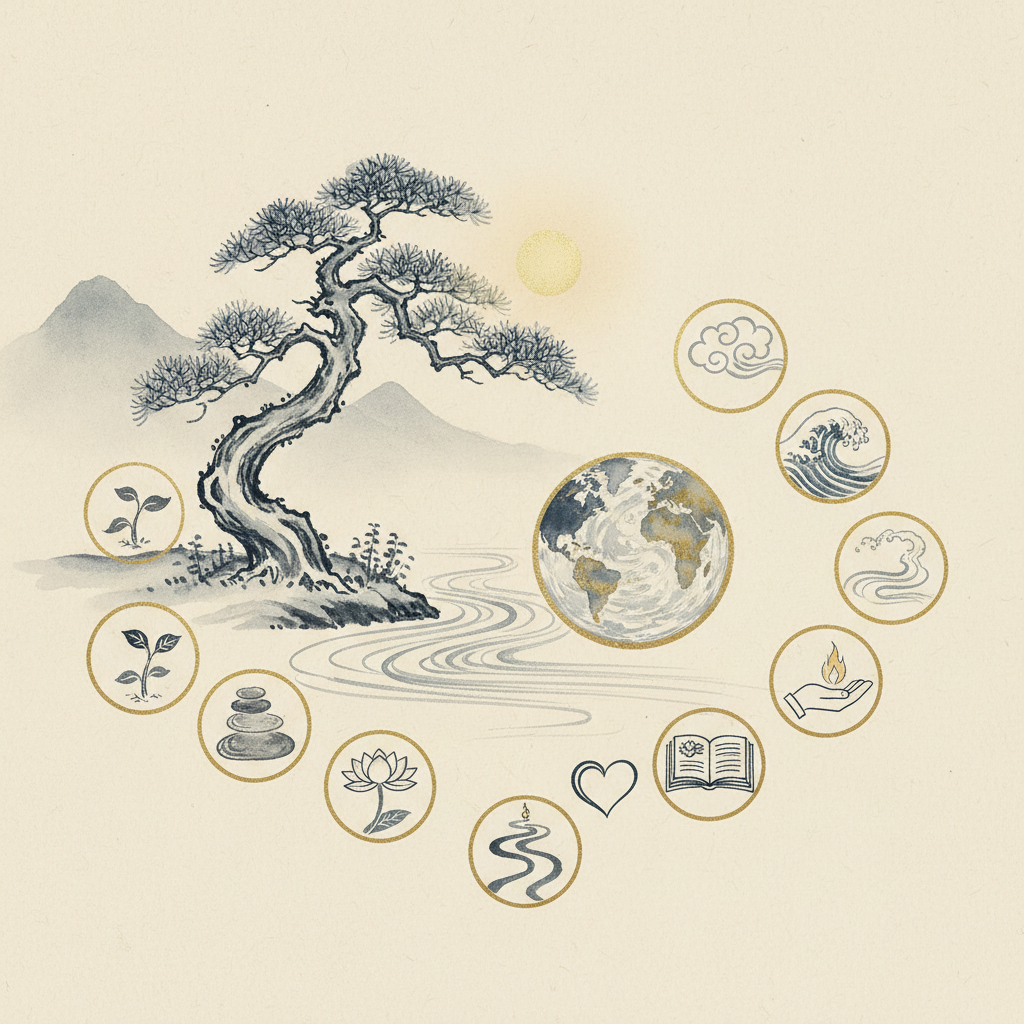
Imagine waking up each day not just to a list of tasks, but to a deep sense of purpose. Now, imagine that purpose is intertwined with caring for the planet. That's the potential of Ikigai when combined with sustainable living. It's not just about recycling; it's about finding joy and meaning in actions that benefit both you and the Earth. Ready to discover how? Let's explore 10 ways Ikigai can help you live a more sustainable life.
1. Finding Purpose in Eco-Conscious Actions
Aligning Your Passions with Environmental Needs
Ikigai is about finding the intersection of what you love, what you're good at, what the world needs, and what you can be paid for. When you apply this to sustainability, you start looking for ways your passions can address environmental challenges. Do you love cooking? Focus on reducing food waste or supporting local, sustainable farms. Are you a talented writer? Use your skills to raise awareness about environmental issues.
I remember feeling overwhelmed by the scale of climate change until I realized I could use my writing to make a difference. It wasn't a sudden fix, but it gave me a sense of purpose and control.
Discovering Your Environmental Ikigai
Start by listing your passions, skills, and the world's needs related to the environment. Where do these overlap? This is your environmental Ikigai. It could be anything from creating upcycled art to teaching others about composting. The key is to find something that energizes you and makes a positive impact.
2. Embracing a Circular Economy Mindset
Shifting from Linear to Circular Consumption
Our current economic model is largely linear: we take, make, and dispose. A circular economy, on the other hand, aims to minimize waste and maximize resource use. Ikigai can fuel this shift by encouraging us to value longevity, repair, and reuse. When you find purpose in reducing waste, you're more likely to invest time and effort into repairing items, buying secondhand, and choosing products designed to last.
Ikigai in Repair and Upcycling
Instead of automatically replacing broken items, consider repairing them. Learn basic repair skills or find local repair shops. Upcycling, the process of transforming waste materials into new products, is another excellent way to embrace a circular economy. Find joy in giving old items a new life.
I recently upcycled an old t-shirt into reusable shopping bags. It was a fun and rewarding project that reduced my reliance on plastic bags.
3. Reducing Food Waste with Intention
Connecting Food Waste Reduction to Your Values
Food waste is a major environmental problem, contributing to greenhouse gas emissions and resource depletion. Ikigai can help you reduce food waste by connecting it to your values. Do you value saving money? Reducing food waste can lower your grocery bill. Do you value helping others? Donate excess food to local food banks or shelters.
Practical Tips for Minimizing Food Waste
Plan your meals carefully, store food properly, and use leftovers creatively. Learn to compost food scraps to enrich your garden. Embrace “ugly” produce – fruits and vegetables that may not look perfect but are perfectly edible. By finding purpose in reducing food waste, you'll be more motivated to adopt these practices.
4. Supporting Local and Sustainable Businesses
Finding Meaning in Conscious Consumerism
Where you spend your money matters. Supporting local and sustainable businesses can have a significant positive impact on the environment and your community. Ikigai can guide you to make conscious consumer choices that align with your values.
Building Relationships with Local Producers
Visit farmers' markets, support local artisans, and choose businesses committed to sustainable practices. Get to know the people behind the products and services you use. When you understand their values and commitment to sustainability, you'll feel more connected to your community and the environment.
5. Cultivating a Mindful Approach to Consumption
Ikigai and Minimalism
Mindful consumption is about being aware of your purchasing habits and making intentional choices. It often aligns with minimalism, which emphasizes living with less. Ikigai can encourage a mindful approach to consumption by helping you focus on what truly brings you joy and purpose, rather than chasing material possessions.
Questioning Your Needs vs. Wants
Before making a purchase, ask yourself: Do I really need this? Will it add value to my life? Is there a more sustainable alternative? By aligning your consumption with your Ikigai, you can reduce clutter, save money, and minimize your environmental impact.
6. Gardening and Connecting with Nature
Finding Peace and Purpose in the Garden
Gardening is a powerful way to connect with nature and contribute to a more sustainable food system. It can also be a deeply fulfilling activity that aligns with your Ikigai. Whether you have a large garden or a small balcony, growing your own food can bring joy, reduce your carbon footprint, and improve your health.
The Therapeutic Benefits of Nature
Spending time in nature has been shown to reduce stress, improve mood, and boost creativity. Connecting with nature can also deepen your appreciation for the environment and inspire you to take action to protect it. Find ways to incorporate nature into your daily life, whether it's a walk in the park, a hike in the woods, or simply tending to your houseplants.
7. Advocating for Environmental Change
Using Your Voice for Good
Ikigai can empower you to become an advocate for environmental change. Use your voice to raise awareness about environmental issues, support policies that promote sustainability, and hold businesses accountable for their environmental impact. You can volunteer for environmental organizations, write letters to your elected officials, or simply start conversations with friends and family about sustainability.
Finding Your Niche in Environmental Activism
There are many ways to advocate for environmental change. Find a niche that aligns with your passions and skills. Are you good at organizing events? Plan a community cleanup. Are you a skilled communicator? Create educational content about environmental issues. Every action, no matter how small, can make a difference.
8. Prioritizing Energy Conservation at Home
Simple Steps to Reduce Your Energy Footprint
Conserving energy at home is a simple but effective way to reduce your environmental impact. Ikigai can motivate you to adopt energy-saving habits by connecting them to your values. Do you value saving money? Reducing your energy consumption can lower your utility bills. Do you value protecting the environment? Conserving energy can reduce greenhouse gas emissions.
Investing in Energy-Efficient Appliances
Turn off lights when you leave a room, unplug electronics when they're not in use, and use energy-efficient appliances. Consider investing in renewable energy sources, such as solar panels. Small changes in your daily habits can add up to significant energy savings over time.
9. Choosing Sustainable Transportation Options
Reducing Your Reliance on Cars
Transportation is a major source of greenhouse gas emissions. Ikigai can encourage you to choose sustainable transportation options whenever possible. Walk, bike, or take public transportation instead of driving. If you must drive, consider carpooling or using a fuel-efficient vehicle.
The Benefits of Active Transportation
Walking and biking are not only good for the environment but also for your health. They can improve your cardiovascular fitness, reduce stress, and boost your mood. Incorporate active transportation into your daily routine whenever possible. Even small changes, like walking to the grocery store or biking to work, can make a difference.
10. Educating Yourself and Others
Continuous Learning for Sustainable Living
Staying informed about environmental issues is crucial for making sustainable choices. Ikigai can fuel your desire to learn and grow by connecting it to your passion for protecting the planet. Read books, articles, and blogs about sustainability. Attend workshops and conferences. Engage in conversations with experts and other sustainability enthusiasts.
Sharing Your Knowledge and Inspiring Others
Share your knowledge with others and inspire them to live more sustainably. Talk to your friends and family about environmental issues. Share tips and resources on social media. Lead by example and show others how easy and rewarding sustainable living can be. Remember, collective action is essential for creating a more sustainable future.
Finding your Ikigai within sustainable living isn't a one-time event; it's a continuous journey of discovery and action. By aligning your passions, skills, and values with the needs of the planet, you can create a life that is both fulfilling and sustainable. So, what's your next step? What small change can you make today to move closer to your environmental Ikigai? Start small, stay curious, and remember that every action counts. Now go out there and find your purpose in protecting our beautiful planet!
Frequently Asked Questions
What is Ikigai and how does it relate to sustainability?
Ikigai is a Japanese philosophy that means "a reason for being" or "purpose in life." When applied to sustainability, it involves finding joy and meaning in actions that benefit both you and the Earth, aligning your passions with environmental needs.
How can I find my environmental Ikigai?
To find your environmental Ikigai, list your passions, skills, and the world's environmental needs. The intersection of these areas reveals your environmental Ikigai – something that energizes you and makes a positive impact.
What are some examples of environmental Ikigai in practice?
Examples of environmental Ikigai include reducing food waste if you love cooking, using writing skills to raise environmental awareness, creating upcycled art, or teaching others about composting. The key is finding a meaningful activity that aligns with your passions and skills.
How can aligning my Ikigai with sustainability help me personally?
Aligning your Ikigai with sustainability provides a sense of purpose and control, combating feelings of being overwhelmed by environmental challenges. It transforms eco-conscious actions from obligations into joyful and meaningful activities.
What if I don't have skills directly related to environmental issues?
You don't need specific environmental skills; instead, focus on how your existing passions and skills can be applied to address environmental needs. Even small actions, like reducing waste or supporting local farms, can contribute to a more sustainable lifestyle when driven by purpose.
Join Our Community
Connect with thousands of purpose-seekers on their Ikigai journey. Get exclusive insights, weekly prompts, and support from like-minded individuals.
Written by V.S.
Founder of FindYourIkigai.co. I help people discover their reason for being through the ancient Japanese philosophy of Ikigai, blended with modern psychology and practical wisdom.
Learn more about me →Continue Reading

Ikigai in Action: How a Community Garden Cultivated Purpose
Discover how a community garden became a source of ikigai for its members. Learn how shared purpose, connection, and contribution can unlock your own reason for being.

Why You Haven't Found Your Ikigai Yet (And What to Do About It)
Discover your "reason for being" with this guide on finding your Ikigai - the sweet spot where your passions, talents, the world's needs, and financial viability intersect. Unlock a more purposeful, fulfilling life.

What Is Ikigai? The Japanese Secret to a Purposeful Life
Discover the Japanese concept of ikigai - the intersection of what you love, what you're good at, what the world needs, and what you can get paid for. Learn how embracing ikigai can help you find meaning, direction, and fulfillment in your life.