Ikigai in Action: How a Community Garden Cultivated Purpose
Discover how a community garden became a source of ikigai for its members. Learn how shared purpose, connection, and contribution can unlock your own reason for being.
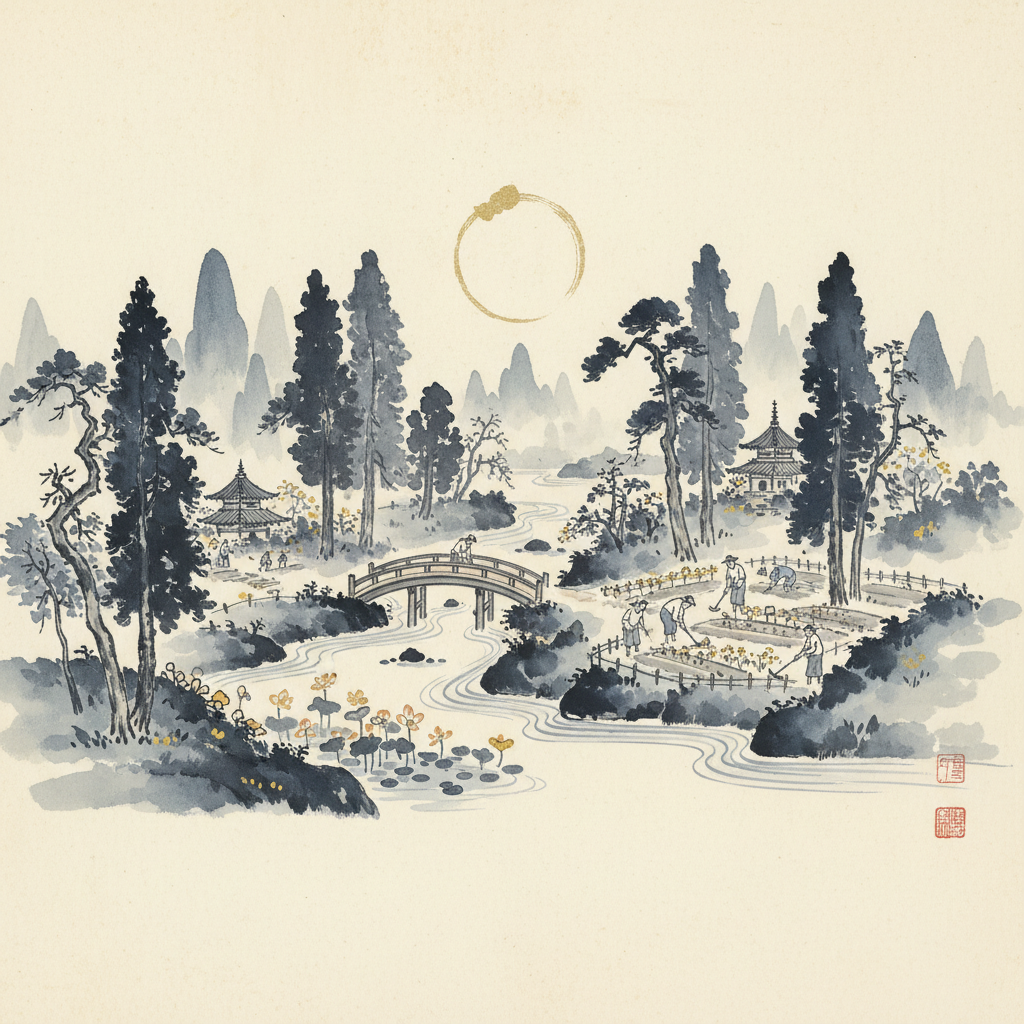
Do you ever feel lost, like something's missing? Often, the answer isn't a grand, solitary quest, but a shared journey. This is the story of how a humble community garden became a vibrant source of ikigai – purpose – for its members. It demonstrates how connection, contribution, and shared passions can cultivate a deeply fulfilling life.
The Seeds of Discontent: A Community in Need
Our case study focuses on the town of Willow Creek, a once-thriving community that had gradually become isolated and disconnected. The local factory, a major employer, had closed down a decade prior, leading to economic hardship and a sense of despair. Many residents felt adrift, lacking a sense of purpose or belonging. Social isolation was rampant, especially among the elderly and unemployed, and volunteer rates were at an all-time low.
The Problem: Isolation and Lack of Purpose
Willow Creek faced several interconnected problems:
- ●Social Isolation: Residents lacked opportunities for meaningful connection.
- ●Economic Hardship: Unemployment and financial stress were widespread.
- ●Lack of Purpose: Many felt their lives lacked meaning or direction.
- ●Environmental Neglect: Vacant lots and neglected public spaces contributed to a sense of decline.
These issues compounded one another, creating a cycle of negativity that seemed impossible to break. The town desperately needed a catalyst for positive change.
A Garden Sprouts: The Birth of Willow Creek Community Garden
Enter Sarah Jenkins, a retired schoolteacher who had recently moved to Willow Creek. Sarah, a passionate gardener, noticed the abundance of vacant lots and the palpable sense of community malaise. Inspired by the Victory Gardens of World War II – which provided food and boosted morale – she envisioned a community garden as a way to address multiple problems simultaneously.
Sarah's Vision: Cultivating Connection and Purpose
Sarah's idea was simple: transform a neglected vacant lot into a vibrant community garden where residents could grow their own food, connect with one another, and contribute to the well-being of the town. She believed that gardening could provide a sense of purpose, reduce stress, and foster a stronger sense of community. It was a radical idea in a town that had largely given up on itself, but Sarah was determined to make it a reality.
The Approach: Collaboration and Community Building
Sarah knew she couldn't do it alone. She began by reaching out to local organizations, including the town council, the senior center, and the local church. She presented her vision with passion and clarity, emphasizing the potential benefits for the entire community. Slowly but surely, she gained support.
Here's how Sarah and her growing group of volunteers brought the Willow Creek Community Garden to life:
- ●Securing Land: Sarah successfully petitioned the town council for permission to use a vacant lot owned by the municipality.
- ●Grant Funding: The group applied for and received a small grant from a local foundation to cover initial costs such as tools, seeds, and soil.
- ●Community Workshops: They organized workshops on gardening basics, composting, and sustainable practices, attracting residents of all ages and backgrounds.
- ●Volunteer Recruitment: They actively recruited volunteers through flyers, social media, and word-of-mouth, emphasizing the opportunity to learn new skills, make friends, and contribute to a worthy cause.
- ●Shared Decision-Making: All decisions regarding the garden were made collectively, ensuring that everyone felt a sense of ownership and responsibility.
This collaborative approach was crucial to the garden's success. By involving the entire community in the planning and implementation process, Sarah and her team created a sense of shared purpose and ownership.
"The garden isn't just about growing vegetables," Sarah often said. "It's about growing community."
Blossoming Results: The Impact of the Garden
The Willow Creek Community Garden quickly became a thriving hub of activity. Residents of all ages and backgrounds came together to plant, weed, water, and harvest. The garden provided fresh, healthy food for those in need, beautified a neglected space, and fostered a strong sense of community. But the impact went far beyond the tangible benefits.
Tangible Benefits:
- ●Food Security: The garden provided fresh produce for low-income families and individuals.
- ●Beautification: The garden transformed a blighted area into a vibrant green space.
- ●Skill Development: Participants learned valuable gardening skills and sustainable practices.
Intangible Benefits: The Real Ikigai
The true power of the garden lay in its ability to provide a sense of ikigai – purpose and meaning – to its members. Participants reported feeling more connected, engaged, and fulfilled. The garden provided opportunities for social interaction, skill development, and contribution, all of which are essential for a happy and meaningful life.
- ●Reduced Isolation: The garden provided a welcoming space for social interaction and friendship, combating loneliness and isolation. Studies show that social interaction can significantly reduce feelings of loneliness and depression, especially in older adults.
- ●Increased Self-Esteem: Participants gained a sense of accomplishment and pride from their contributions to the garden. The feeling of producing something tangible and beneficial boosted their self-esteem and confidence.
- ●Renewed Sense of Purpose: The garden provided a reason to get up in the morning, a sense of responsibility, and a feeling of being part of something larger than themselves. It gave people a reason to get involved and contribute to the community.
One participant, a retired factory worker named George, had been struggling with depression since the factory closed. He said that working in the garden gave him a new sense of purpose and helped him feel connected to the community again. "I didn't realize how much I missed working with my hands and being around other people," he said. "The garden has given me a new lease on life."
Another participant, a young mother named Maria, said that the garden helped her connect with her neighbors and learn new skills. "I never knew anything about gardening before," she said. "Now I'm growing my own vegetables and teaching my kids about where food comes from. It's been a wonderful experience."
The Willow Creek Community Garden demonstrates the transformative power of community and shared purpose. It shows that even in the face of adversity, people can come together to create something beautiful and meaningful that benefits everyone involved. The garden is a testament to the human spirit and the enduring power of connection.
"Finding your ikigai isn't always about individual achievement; it's often found in collective effort."
Lessons from Willow Creek: Cultivating Your Own Purpose
The story of the Willow Creek Community Garden offers valuable lessons for anyone seeking to cultivate a sense of purpose and meaning in their own life:
- ●Embrace Community: Seek out opportunities to connect with others who share your interests and values. Join a club, volunteer for a cause you care about, or simply strike up a conversation with your neighbors.
- ●Find a Shared Purpose: Look for activities that allow you to contribute to something larger than yourself. This could involve volunteering, activism, or simply helping others in your community.
- ●Cultivate Connection: Nurture your relationships with friends, family, and neighbors. Make an effort to stay connected and support one another.
- ●Engage Your Passions: Pursue activities that bring you joy and fulfillment. This could involve hobbies, creative pursuits, or simply spending time in nature.
- ●Give Back: Find ways to use your skills and talents to help others. This could involve mentoring, teaching, or simply lending a helping hand.
Finding your ikigai is a journey, not a destination. It requires experimentation, reflection, and a willingness to step outside your comfort zone. But by embracing community, finding a shared purpose, and engaging your passions, you can cultivate a life that is both meaningful and fulfilling.
The Willow Creek Community Garden began with one person's vision and blossomed into a source of purpose for an entire community. The garden fostered social connections, promoted healthy living, and provided a sense of accomplishment for all involved. It’s a potent reminder that sometimes, the most profound sense of purpose is found not in individual pursuits, but in collective endeavors.
"Purpose isn't always a solo quest; it can be a shared harvest."
Statistics and Facts
- ●A study published in the Journal of Environmental Psychology found that community gardening can significantly reduce stress and improve mental well-being.
- ●According to the USDA, approximately 1 in 6 Americans experience food insecurity, highlighting the importance of community gardens in providing access to fresh produce.
- ●Research suggests that social isolation is as damaging to health as smoking 15 cigarettes a day, emphasizing the critical role of community in combating loneliness.
Frequently Asked Questions
What is Ikigai?
Ikigai is a Japanese concept that translates to "a reason for being." It encompasses what makes your life worthwhile and gives you a sense of purpose, encompassing your passions, skills, what the world needs, and what you can be paid for. Discovering your ikigai involves self-reflection and exploration to find where these elements intersect.
How can community help me find my Ikigai?
Community provides opportunities for connection, contribution, and shared purpose, all of which are essential elements of ikigai. When you engage with others, you can discover new passions, develop your skills, and contribute to something larger than yourself. This sense of belonging and purpose can significantly enhance your overall well-being and help you identify your reason for being.
What if I don't have a green thumb? Can I still benefit from a community garden?
Absolutely! Community gardens offer a wide range of opportunities beyond just gardening. You can volunteer to help with administrative tasks, organize events, or simply provide support to other gardeners. The social interaction and sense of community are the most important aspects, regardless of your gardening skills.
How do I find a community garden near me?
Many towns and cities have community gardens. You can search online using terms like "community garden near me" or contact your local parks and recreation department. You can also check with local churches, schools, and community centers, as they often host or know of community gardens in the area.
What if there isn't a community garden near me?
If there isn't an existing community garden, consider starting one! Gather a group of interested neighbors, identify a potential location, and contact your local government or a non-profit organization for support. Even a small garden can make a big difference in your community.
Join Our Community
Connect with thousands of purpose-seekers on their Ikigai journey. Get exclusive insights, weekly prompts, and support from like-minded individuals.
Written by V.S.
Founder of FindYourIkigai.co. I help people discover their reason for being through the ancient Japanese philosophy of Ikigai, blended with modern psychology and practical wisdom.
Learn more about me →Continue Reading

Why You Haven't Found Your Ikigai Yet (And What to Do About It)
Discover your "reason for being" with this guide on finding your Ikigai - the sweet spot where your passions, talents, the world's needs, and financial viability intersect. Unlock a more purposeful, fulfilling life.

What Is Ikigai? The Japanese Secret to a Purposeful Life
Discover the Japanese concept of ikigai - the intersection of what you love, what you're good at, what the world needs, and what you can get paid for. Learn how embracing ikigai can help you find meaning, direction, and fulfillment in your life.

10 Ways Ikigai Can Help You Live a More Sustainable Life
Discover how the Japanese philosophy of Ikigai can guide you toward a more sustainable and fulfilling life. Find purpose and reduce your environmental impact.